Insights
Insights and reflections on daily Stoic practice — thinking clearly, acting with discipline, and living with intention.
-

Stoicism for Anxiety: What It Helps With (and What It Doesn’t)
Stoicism is a supportive framework for relating to anxious thoughts and sensations with more clarity and choice, but it is not a substitute for professional care, and it won’t eliminate anxiety’s biological, clinical, or trauma-rooted causes on its own.
-
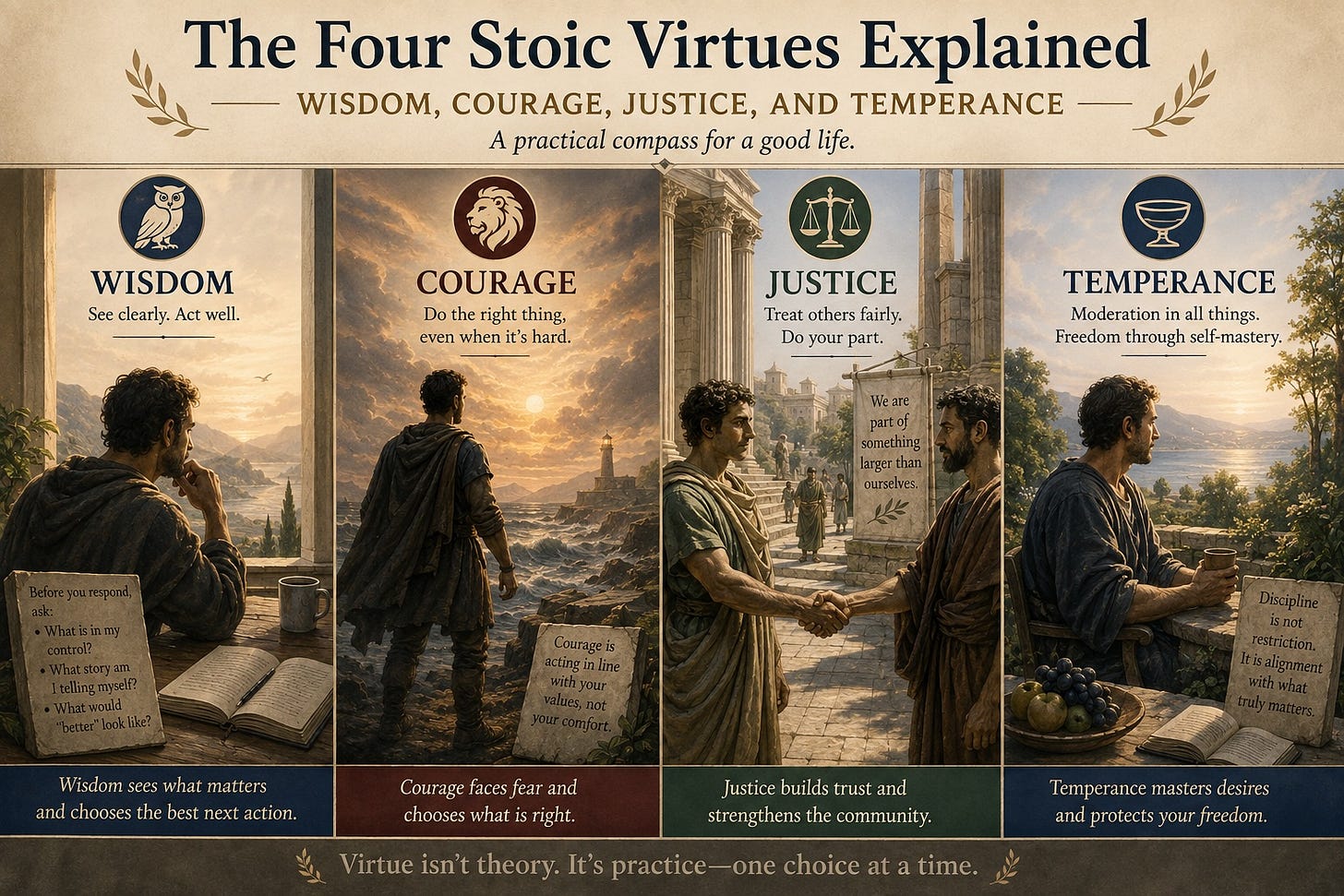
The Four Stoic Virtues Explained: Wisdom, Courage, Justice, and Temperance
You don’t need more motivation.
-

Stoicism and Relationships: How to Set Boundaries Without Losing Compassion
The hardest part about relationships isn’t usually love.
-

A 7-Day Stoicism Challenge for Beginners: One Small Practice Per Day
Most people don’t abandon self-improvement because they lack willpower.
-

Stoic Morning Routine: A Simple 10-Minute Practice for Better Days
Most mornings don’t fall apart because of one big disaster.
-

Money, Status, and “Preferred Indifferents”: A Stoic Guide to Ambition
Money can buy you options, but it can also buy you a new kind of anxiety: the fear of losing what you’ve gained, the fear of not gaining enough, the fear that someone else’s highlight reel means you’re falling behind. Status can open doors, but it can also turn your life into a hallway lined with mirrors. Ambition can energize you, but it can also quietly replace your identity with a scoreboard. The tricky part is that none of these things are inherently “bad.” The danger is what we ask them to prove about us
-
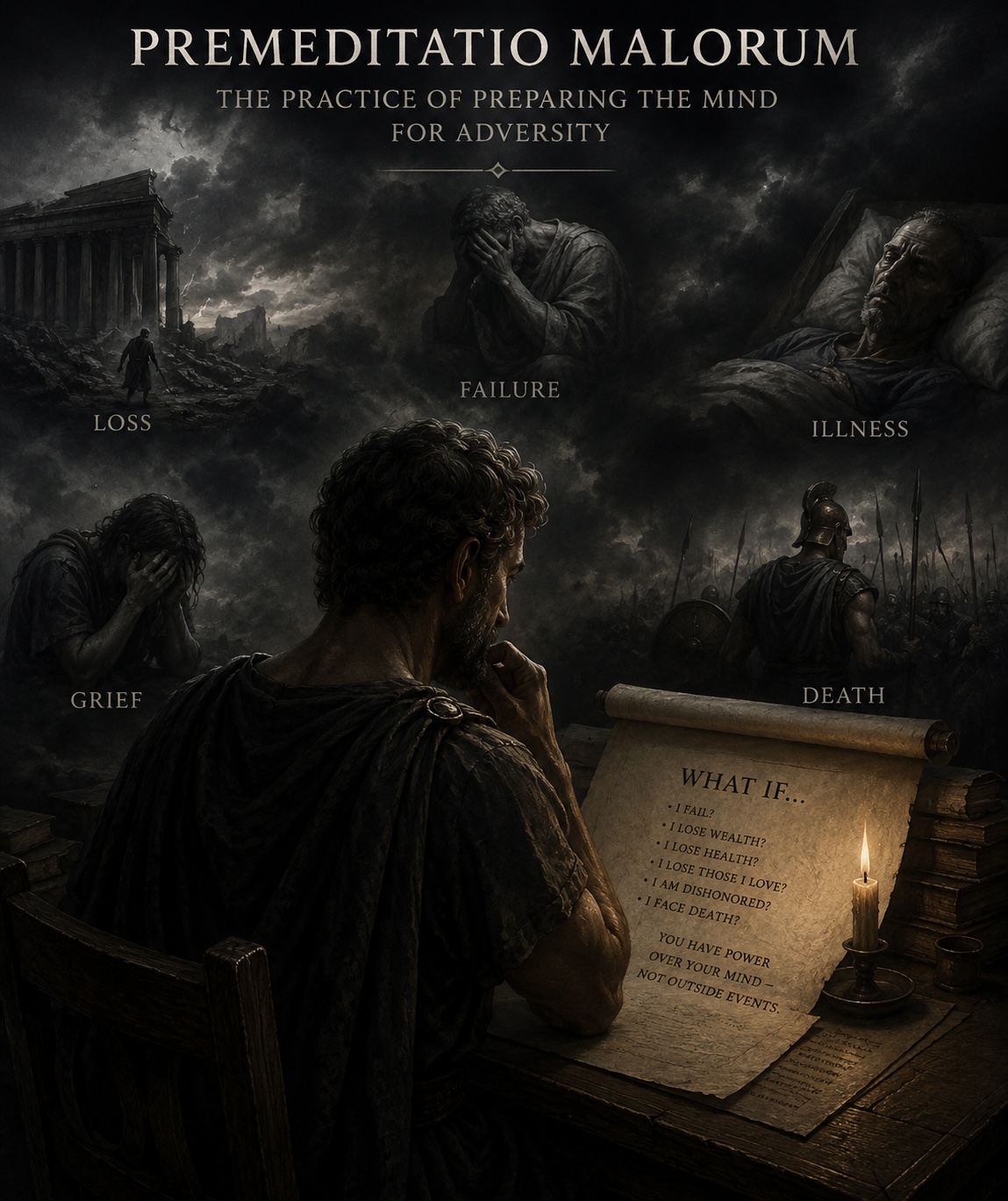
Negative Visualization (Premeditatio Malorum) Without Becoming Pessimistic
Negative visualization is not about expecting the worst; it’s about preparing for what is possible, appreciating what is present, and practicing the response you want—briefly, safely, and on purpose.
-

Stoic Relationships: Loving Deeply Without Possessiveness
The quickest way to suffer in a relationship is to treat another person like a guarantee. We do it quietly: we assume they’ll always feel the same, choose the same, stay the same. We call it security, but underneath it is a demand that life stop moving. Then life does what it always does—changes—and what we called love turns into fear, bargaining, resentment, or control.
-
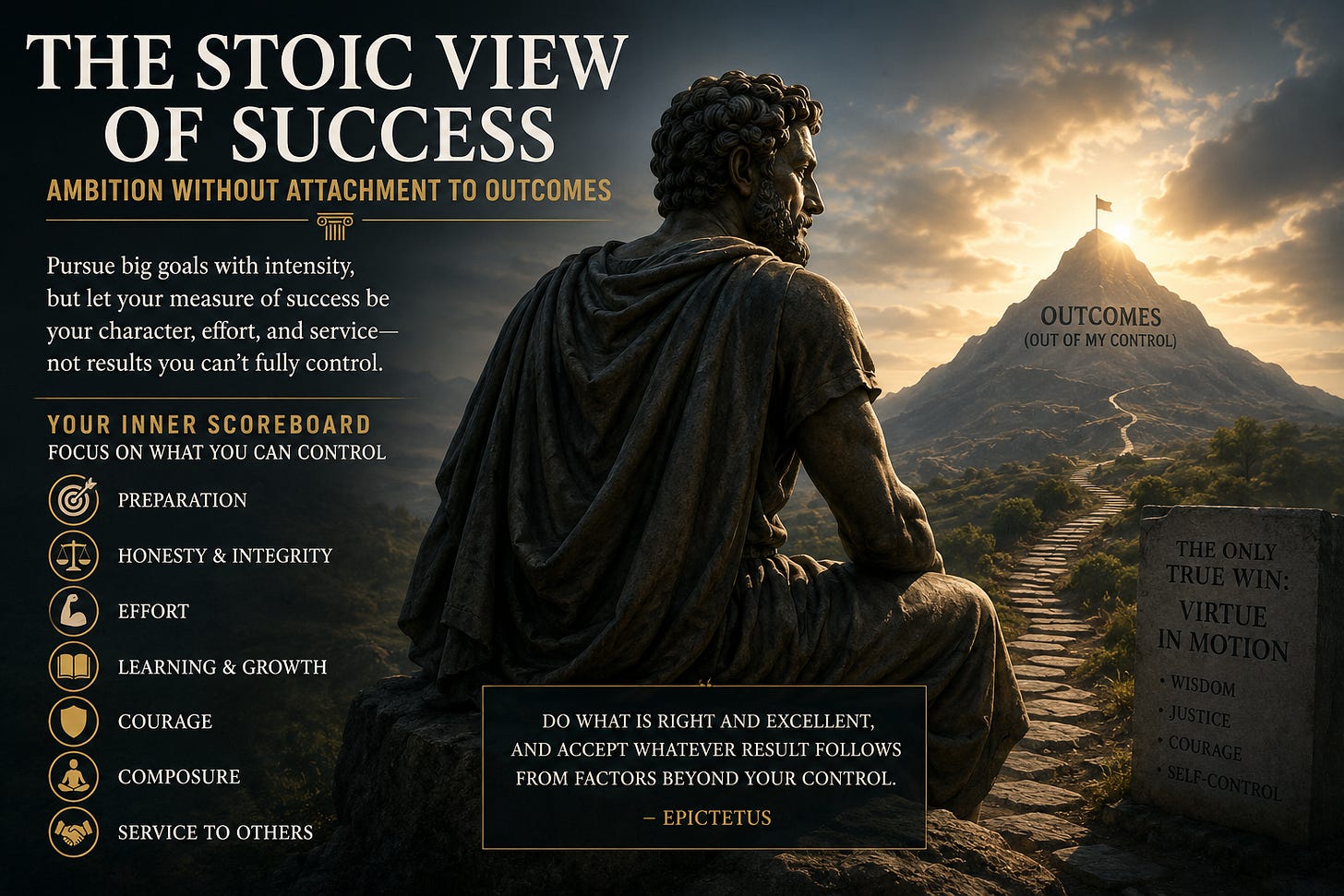
The Stoic View of Success:
Ambition Without Attachment to Outcomes
-
Best Stoic Apps in 2026: Why Daily Stoicism Is Built for Practice, Not Just Quotes
Compare the best Stoic apps in 2026 and see why Daily Stoicism focuses on daily practice, self-mastery, journaling, AI guidance, and real Stoic progression.
-
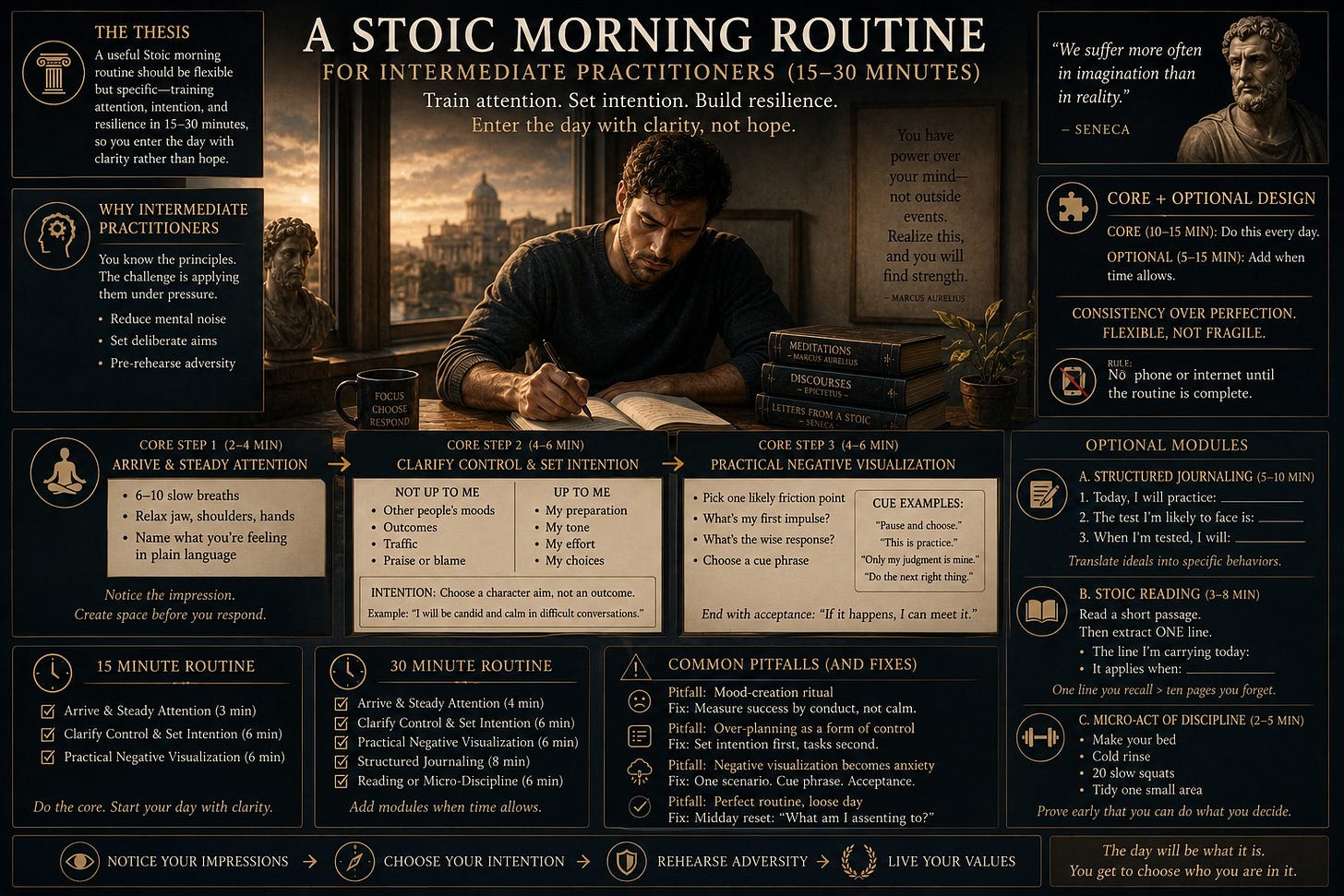
A Stoic Morning Routine for Intermediate Practitioners (15–30 Minutes)
The day rarely goes off the rails at noon — it starts earlier. A flexible 15–30 minute Stoic morning routine to train attention, intention, and resilience.
-
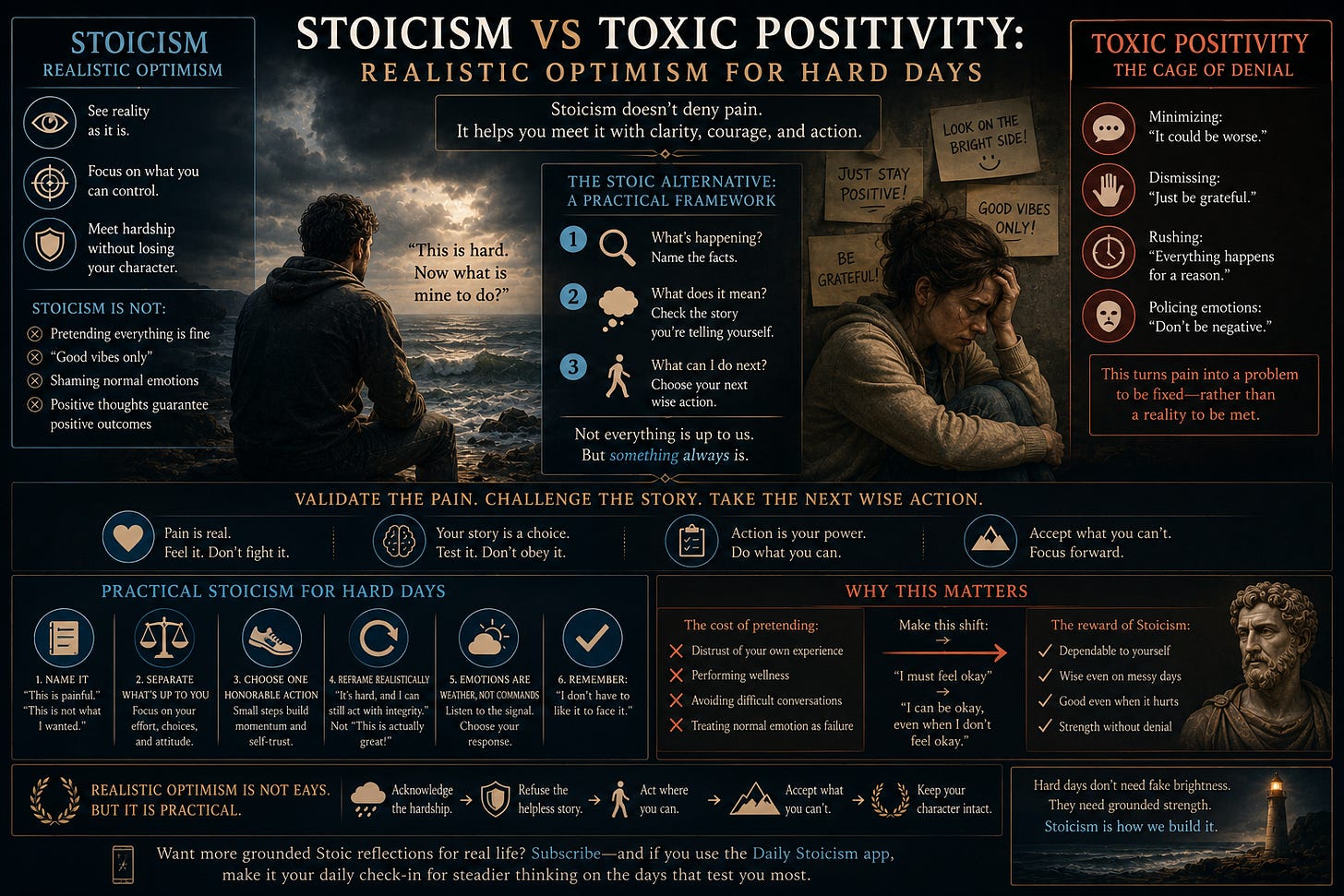
Stoicism vs Toxic Positivity: Realistic Optimism for Hard Days
Stoicism isn't "good vibes only." Learn how realistic optimism makes room for pain, names reality honestly, and points you to the next wise action.
-

Stoicism and Anger: How to Respond Without Suppressing Emotions
Anger has a way of making you feel both powerful and powerless at the same time.
-

How to Practice Stoic Mindfulness Without Calling It “Mindfulness”
A common misunderstanding is that Stoicism is a mood-management system: do these practices so you feel less anxious, less angry, less stressed. Sometimes that happens. But for the Stoics, emotional steadiness is more like a byproduct than a goal.
-
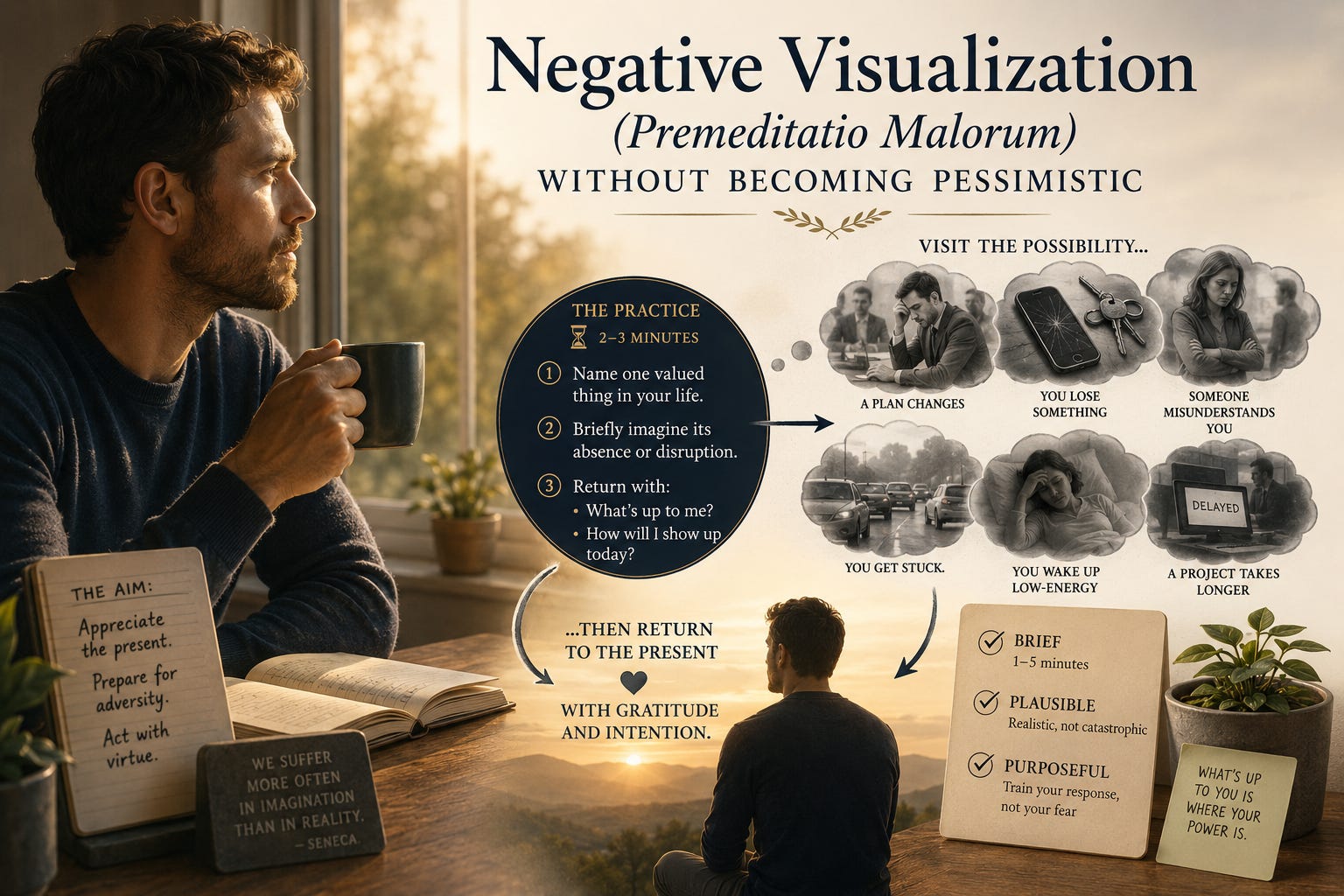
Negative Visualization (Premeditatio Malorum)
You don’t need a tragedy to remember what matters. You can remember it on an ordinary Tuesday, while your coffee is still warm and your phone hasn’t buzzed yet.
-
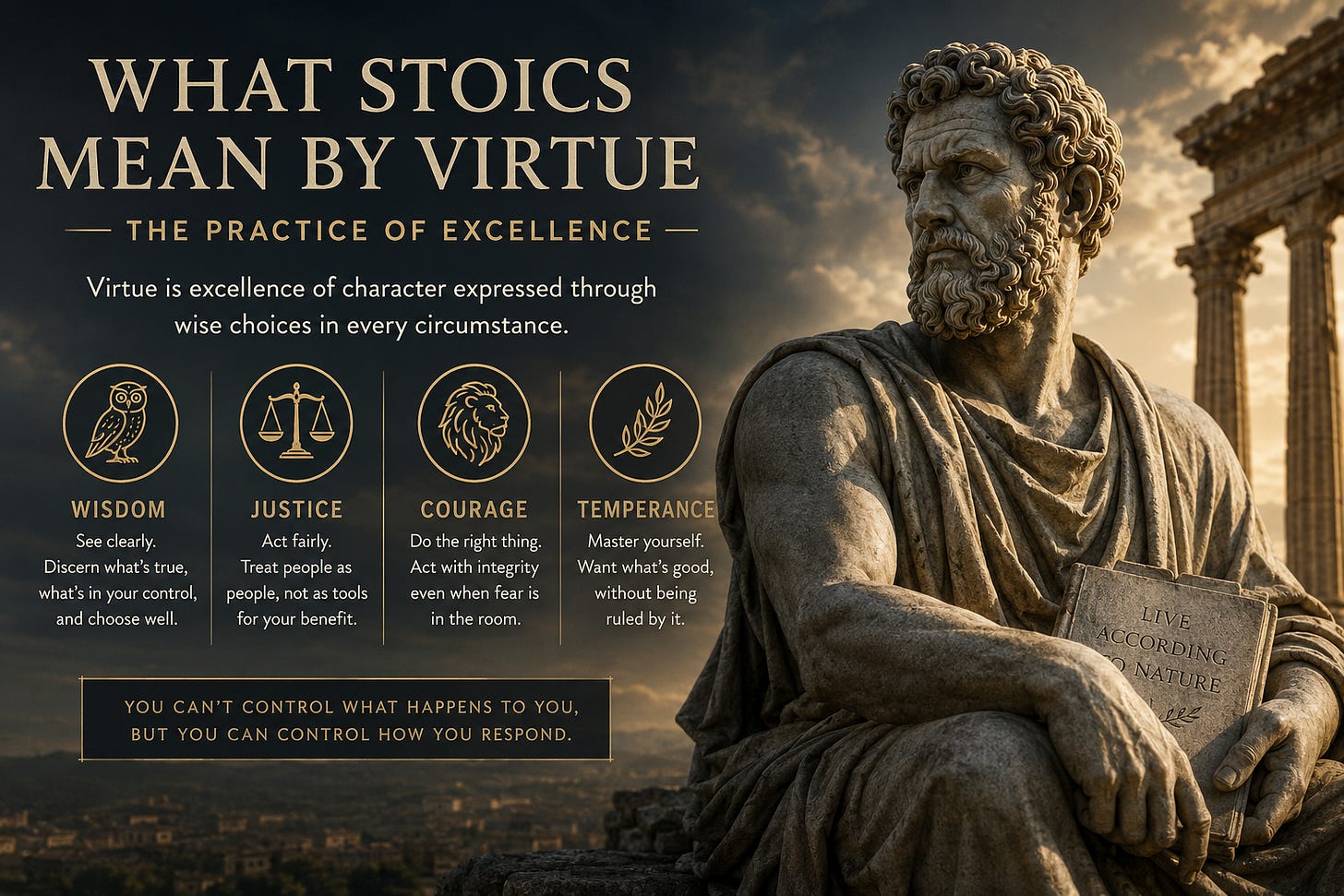
What Stoics Mean by "Virtue": A Clear, Modern Explanation
For Stoics, virtue isn't about being nice or looking moral. It's excellence of character: using reason to choose well under pressure, even when it costs you.